How does pressure help when you lift and lower?
In a nutshell
Think about putting a grocery bag down. You need enough support to lift it, enough control to slow it on the way down, and enough freedom to ease off once it rests on the counter. I’d watch when that change in effort happens.
Everyday Explanation
If you grip hard to lift a bag and still feel yourself gripping after it’s down, watch what happens before you reach for the next one. Lifting, slowing the bag on the way down, and letting go are three different demands. I’d ask which one still feels difficult.
Clinical Expansion
What the experiment measured
In a three-participant laboratory experiment, researchers increased abdominal pressure artificially and measured greater lumbar stiffness. They measured stiffness under those conditions. The study leaves open how much pressure someone needs for a grocery bag or whether changing pressure would improve their symptoms.
What I’d compare during a task
If a bag drops the last few inches, I’d compare the descent onto a higher surface with the original height. That changes how far you have to reach and how much effort it takes to lower the bag. Can you slow the bag before it touches down? Can you ease up once it’s down? Does it still feel easy when I stop coaching you? I’d document the movement and effort I observe.
What would change my mind?
If changing the setup makes the descent easier but the same problem returns at the original height, I’d check what changes at that height. I can see when you brace or whether the bag comes down more smoothly. Measuring internal pressure would require a different test.
Related reading · The three IPA components in practice · Compare movement demands
Core pressure usually refers to intra-abdominal pressure, the pressure inside the abdomen. The diaphragm, abdominal wall and pelvic floor are among the structures that influence or respond to it. How much pressure develops depends on the task and how it is performed. [1] [2] [3]
How a soda can helps explain it
See the original soda can illustration

A sealed soda can resists a dent partly because the contents press outward against the walls. That is the useful part of the comparison. In a person, the walls move and produce force, the spine and other tissues share the load, and pressure can change from one moment to the next. Pulling your stomach in or squeezing harder is a visible action. The pressure inside is a separate variable. Bracing uses muscle activity, and that activity can contribute to pressure. [3] [4]
Watch the full visual demonstration
David walks through what the core is, how the diaphragm fits in, and how breathing and trunk support work together.
Watch on YouTube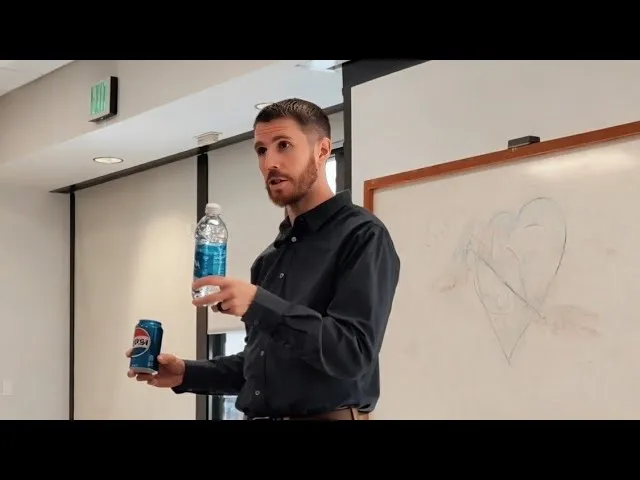
The parts you can picture
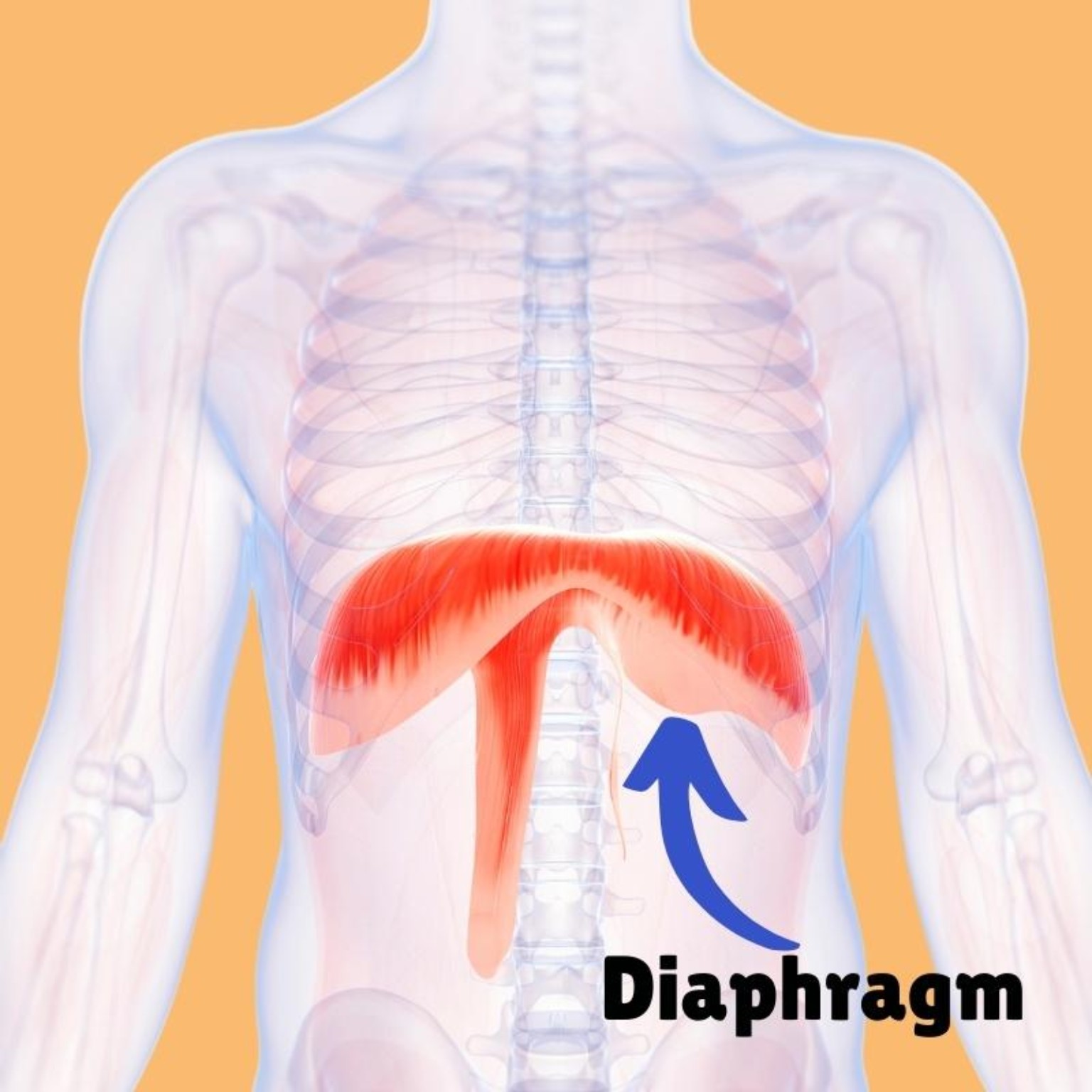
The diaphragm sits beneath the lungs and changes shape as you breathe. The abdominal muscles wrap around the front and sides of the trunk. Back muscles help support and move the spine. The pelvic floor sits at the base of the pelvis and contributes to support and continence. These regions have distinct jobs, and their actions can overlap during movement. [1] [2]
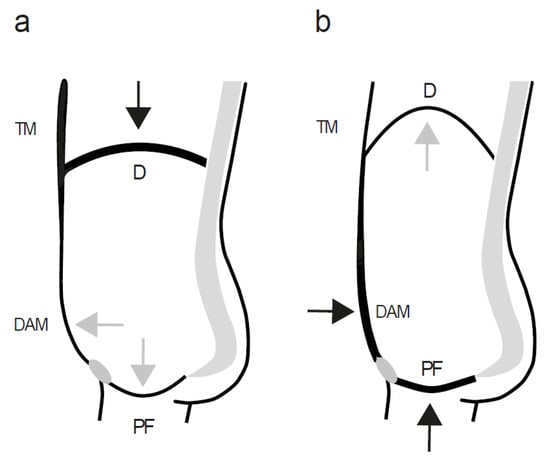
Do the diaphragm and pelvic floor move toward one another?
During a quiet inhalation, the diaphragm descends. In a small MRI study of healthy women, the pelvic floor also generally moved down during inhalation and both moved up during exhalation. These observations describe a breathing task. Coughing, lifting and urinating ask different things of the system. The goal in this clinical framework is the ability to move and coordinate as the task changes. [5]
See the diaphragm and pelvic floor move in the interactive core diagram.
How breathing fits into movement
A short demonstration from David. Any change in comfort depends on the person and the movement.
Watch on YouTube
What pressure research can tell us
Hodges and Gandevia recorded diaphragm activity during a repetitive arm task. They observed postural activity alongside its breathing role. A separate three-person experiment raised pressure with stimulation of the nerves to the diaphragm and measured increased lumbar stiffness. Both offer a way to think about the mechanics. Neither gives a target pressure for an individual or establishes a cause of recurring back pain. [2] [3]
What can I actually observe?
A clinician may notice when a person grips their abdomen, pauses their breath, or shifts their weight. These are observations with several possible explanations, including the load, anticipation of pain, habit and the instructions they were given. The shape of the belly, hands-on contact and visible breathing cannot establish a pressure value. A more useful follow-up is to note what happens to comfort, control or effort when a task is changed.
A quick way to think about core strength
A 20-second explanation to pair with the observations above.
Watch on YouTube
When should support become automatic?
If you can brace for a deliberate effort but keep gripping when the job is over, ask whether you have another way to organize the movement. Consider putting groceries away. Lifting the bag calls for support. Lowering it calls for graded effort. Once you set it down, the trunk should be able to change gears. David Quenzer uses this sequence as a way to ask about timing and release, then checks whether the skill carries over with less conscious preparation.
What if the movement is restricted?
A surgical history, a sensitive scar or restricted motion can change the questions a clinician asks about available movement. If a hands-on assessment or a change in position makes a movement easier, record the change in motion, effort or comfort. That observation alone cannot identify an internal adhesion or show that a tissue bond was broken. Research on physical management of scars measures outcomes such as pain and pliability. It does not establish that internal adhesions must be released for trunk pressure coordination to improve. [6] [7]